Global developments continue to signal a shifting world order where traditional alliances face pressure from coordinated alternatives. Here’s the latest high-impact update for those tracking economic, geopolitical, and health-related changes without having to spend endless hours researching.
Key Developments
Middle East Tensions Persist
Despite the U.S.-Iran ceasefire framework, Israeli airstrikes in Lebanon continue. Israeli officials have reiterated no plans for withdrawal, showing the limits of current diplomacy. Negotiations remain ongoing but ground realities lag far behind political statements. (Sources: New Lines Institute, The Cradle, Middle East Eye)
Ukraine-Russia Dynamics
Ukrainian forces maintain deep strikes on Russian energy and transport infrastructure near Moscow and in Crimea. President Zelenskyy issued a direct demand to Belarus to remove military equipment from their shared border, keeping pressure on Russia’s key ally. A recent prisoner exchange provided some humanitarian relief. (Sources: New Lines Institute, OSINTDefender, WarMonitors)
Indo-Pacific Resource and Tech Rivalry
China imposed sanctions on two critical U.S. minerals companies while U.S. AI firm Anthropic accused Alibaba of software copying. This reflects ongoing competition in supply chains and technology that will likely affect global markets. (Sources: SCMPNews, various economic monitors)
BRICS Payment Systems Advance
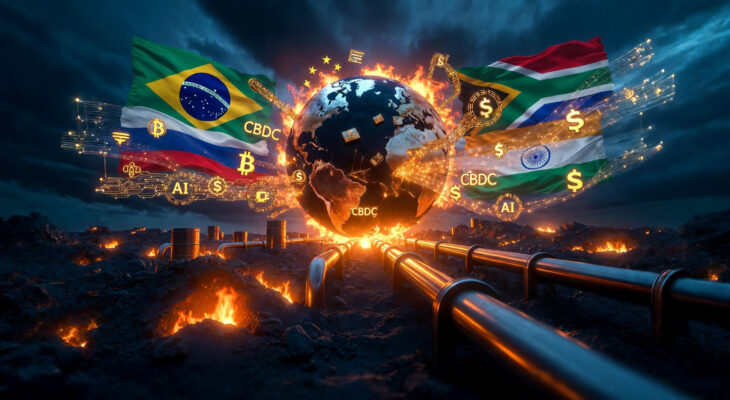
BRICS nations are making tangible progress on alternative payment mechanisms. India has proposed linking member states’ Central Bank Digital Currencies (CBDCs) to facilitate cross-border trade and tourism. This builds on existing initiatives like China’s CIPS, Russia’s SPFS, and projects such as mBridge. The goal is greater interoperability using national currencies, reducing reliance on the U.S. dollar-dominated SWIFT system. Analysts see this as a practical step toward de-dollarization in trade settlements, potentially accelerating if geopolitical tensions rise. (Sources: Atlantic Council CBDC Tracker, RT.com, The Cradle, Lazard reports)
Why These Matter
These stories highlight a world of parallel systems: diplomacy coexists with military actions, and economic blocs like BRICS develop tools to operate outside traditional Western-dominated frameworks. As things unfold, energy prices, technology access, and financial flows become increasingly vulnerable to sudden shifts.
Potential Consequences & Predictions
- Short-term: Continued volatility in energy and commodity markets if Middle East or Ukraine tensions escalate. BRICS payment progress could lead to measurable increases in non-dollar trade settlements by late 2026–2027.
- Medium-term: Accelerated fragmentation of global finance may benefit countries with strong alternative networks but challenge those heavily tied to the dollar. Tech and minerals rivalries will likely drive supply-chain reshoring or new alliances.
- Longer-term: A more multipolar system is emerging with competing digital payment rails, potentially lowering transaction costs for participants but increasing complexity and cyber risks for everyone. Independent individuals who build personal resilience (diversified assets, secure tools, local networks) will be better positioned than those relying solely on centralized systems.
Bottom Line
The fire of global transformation burns steadily. BTF is publishing Rapid Signals daily, so check back frequently to stay on top of these trends and keep up with practical sovereignty steps.
Deeper Analysis: Seer and Oracle members will soon be able to access expanded Freedom Intel reports with detailed privacy recommendations and scenario planning advice.
Stay tuned…